


Om man frågar vilken del av den portugisiska kusten som har det högsta priset per kvadratmeter är det ärliga svaret fortfarande Algarve. Fastigheter i första linjen i den gyllene triangeln kan kosta upp till 20 000 euro per kvadratmeter, ett tak som marknaden för fastigheter i Comporta ännu inte har nått. Comportas mest exklusiva strandhus – de som Luísa Fezas Vital, vår verkställande direktör i Portugal, säger att "man kan räkna dem på fingrarna på två händer" – ligger närmare 15 000 euro. På papperet vinner Algarve.
Det siffra som är värt att titta närmare på är den andra. Comportas högsta prissegment börjar på 6 000 till 10 000 euro per kvadratmeter. Algarves börjar på 5 000 euro. Den ena marknaden har en högre topp. Den andra har ingen lägsta nivå att tala om. Denna asymmetri är det viktiga, inte rankningen.
En stor marknad har råd med en lång svans: lägenheter i instegsklassen, åldrande villor, ett brett mellansegment som drar ner genomsnittet även när toppen stiger. Algarve har årtionden av skala bakom sig, och skala ger bredd. Comporta har inte den lyxen, i bokstavlig mening. Det finns inte tillräckligt med utbud för att ha ett mellansegment. Varje transaktion sker nära toppen eftersom det inte finns något annat att välja på. Det som ser ut som en mindre bedrift – ett tak på 15 000 euro istället för 20 000 euro – är i själva verket ett snävare intervall. Hela marknaden är en kortlista.
Tio år, inte ett
Luisa kan inte peka ut det exakta ögonblicket då Comporta förvandlades från semesterort till tillgångsklass. "Jag skulle säga att detta har byggts upp under ungefär tio år", säger hon. De kunder som anländer idag har ofta samma profil som de som för ett decennium sedan istället skulle ha tittat på Ibiza. "Den kund som vänder sig till oss nu, särskilt i det här mer exklusiva segmentet, letar inte längre efter de där enorma, ljusa och pråliga husen", säger hon. "De söker något mycket exklusivt, mer autentiskt." Denna förändring, menar hon, har omdefinierat själva yrket: "Vi ser oss som mer än bara mäklare, vi är destinationsskapare."
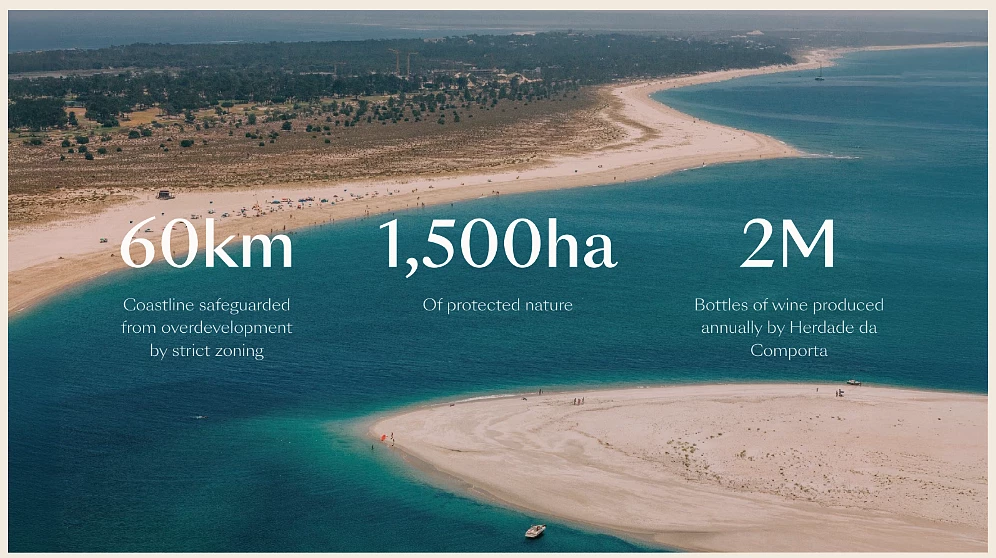
Påståendet låter som ren marknadsföring tills man jämför det med regionens egen återhållsamhet. "Oavsett hur mycket som byggs – tack och lov har vi regler även för det – sker utvecklingen inte i en helt frenetisk takt." Miljöklassificering och kommunala planeringsregler innebär att Comporta inte bara kan expandera för att möta efterfrågan, och ingen förväntar sig att det ska förändras. Knappheten här är lika mycket en fråga om politik som om geologi.
Ett namn före ett land
Det tydligaste beviset på att Comporta har kopplat sig loss från resten av Portugal är inte priset. Det är en geografisk klyfta. Luisa beskriver utländska köpare som "ofta inte har en aning om vad Portugal är, men ändå känner till Comporta." Vissa, säger hon, känner till landet ungefär på samma sätt som de kanske känner igen det genom Cristiano Ronaldo, utan att någonsin ha satt sin fot i Lissabon eller Europa. En region har verkligen frigjort sig från sin nationella marknad när den inte längre behöver landets namn för att sälja sig själv.
Denna frigörelse framträder allra tydligast mot den nationella bakgrunden. Den portugisiska fastighetsförsäljningen ökade med 7 % under andra kvartalet, vilket vände en nedgång på 12 % i början av året. Enligt Confidencial Imobiliário bytte cirka 39 200 fastigheter ägare i hela landet till ett genomsnittspris på 325 000 euro och med en typisk försäljningstid på fem månader. Europeiska centralbanken höll räntan oförändrad på 2,25 % under kvartalet, en paus som marknaden redan hade prisat in, och ytterligare en räntejustering förväntas fortfarande i september. Lägsta priset per kvadratmeter i Comporta ligger över genomsnittspriset för en hel portugisisk bostad. Marknaden handlas i en annan valuta än resten av landet, även om euron är densamma.
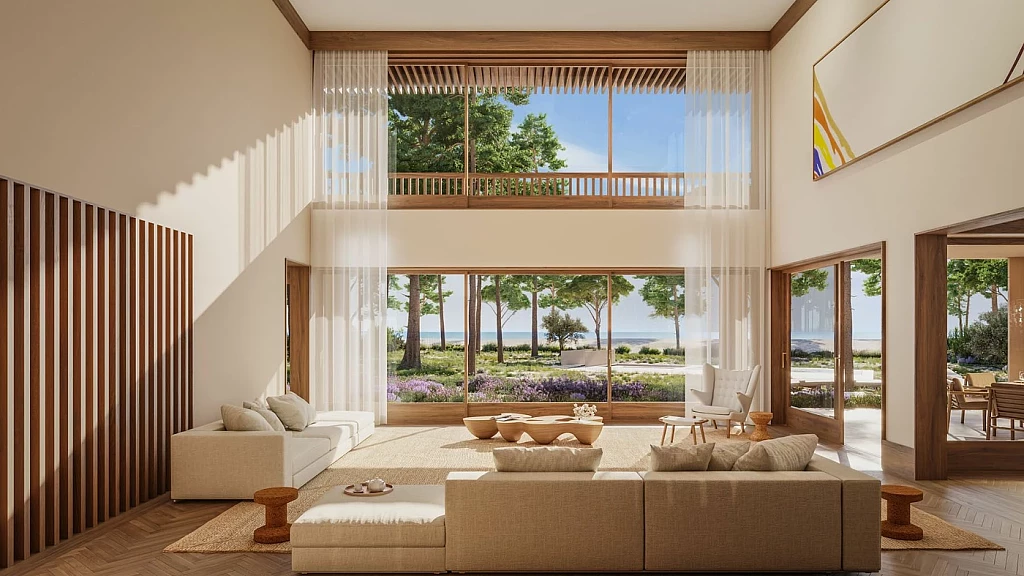
Comporta Beach and Golf, Comporta, Portugal
Söderut och inåt landet
Eftersom Comporta inte kan växa i storlek sprider sig dess inflytande istället. "Det finns en tendens att expandera söderut längs kusten", konstaterar Luisa och pekar på Melides och Costa Vicentina som en fortsättning på fenomenet snarare än en separat utveckling. En parallell förskjutning sker inåt landet: distansarbete har börjat locka både utländska köpare och yngre portugiser till Alentejos inre, helt bort från stranden, i jakten på samma äkthet som från början byggde upp Comportas rykte. Ingen av dessa rörelser urvattnar den ursprungliga marknaden. Båda bekräftar vad en begränsad marknad gör när efterfrågan fortsätter att strömma in: den expanderar utåt istället för att fyllas upp. Den smak som driver allt detta är inte begränsad till Portugal. Pinterests reserapport för sommaren 2024 visade en ökning med 50 % i sökningar efter lugna platser och en ökning med 530 % i intresset för ett lugnt liv. Vår egen tolkning av marknaden är ännu mer rakt på sak: i det exklusiva segmentet är "mindre" nu "mer", och Comportas attraktionskraft vilar på knapphet, enkelhet och diskretion – egenskaper som fyller den funktion som prål en gång hade.
Inget av detta gör Algarve till ett sämre val. En villa vid stranden i Quinta do Lago för 20 000 euro och en i Comporta för 15 000 euro konkurrerar inte om samma köpare; de svarar på olika behov. Den ena erbjuder infrastrukturen från fyrtio års utveckling av semesteranläggningar: golf, småbåtshamnar, ett ekosystem byggt för full beläggning. Den andra erbjuder den svårare att åstadkomma fördelen med en plats som fortfarande känns ofärdig, i positiv bemärkelse. Vi säljer båda, eftersom båda dessa argument håller. Det Comporta erbjuder köparen som redan äger ett hus i Algarve är inte fler kvadratmeter per euro. Det är färre köpare per kvadratmeter.
Denna brist tar nu fysisk form i Pinheirinho Comporta, ett 400 hektar stort byggprojekt från VIC Properties, några minuter från Melides och byn Comporta, med direkt tillgång till 65 kilometer atlantstrand genom sanddyner och tallskog som till stor del är orörd av den täthet som finns längre söderut. Projektet, som ingår i vår fastighetsportfölj i Comporta, erbjuder nyckelfärdiga villor med fyra sovrum, ritade av Jacobsen Arquitetura och SCCS, med priser från 4 975 000 euro för de enheter som fortfarande är tillgängliga. Vi ser detta som en strategisk möjlighet på en mikromarknad med ett verkligt begränsat utbud, där mark vid kusten blir alltmer sällsynt för varje år, och där läge, design och närvaron av internationella aktörer är det som upprätthåller värdet på lång sikt snarare än priset under ett enskilt år.
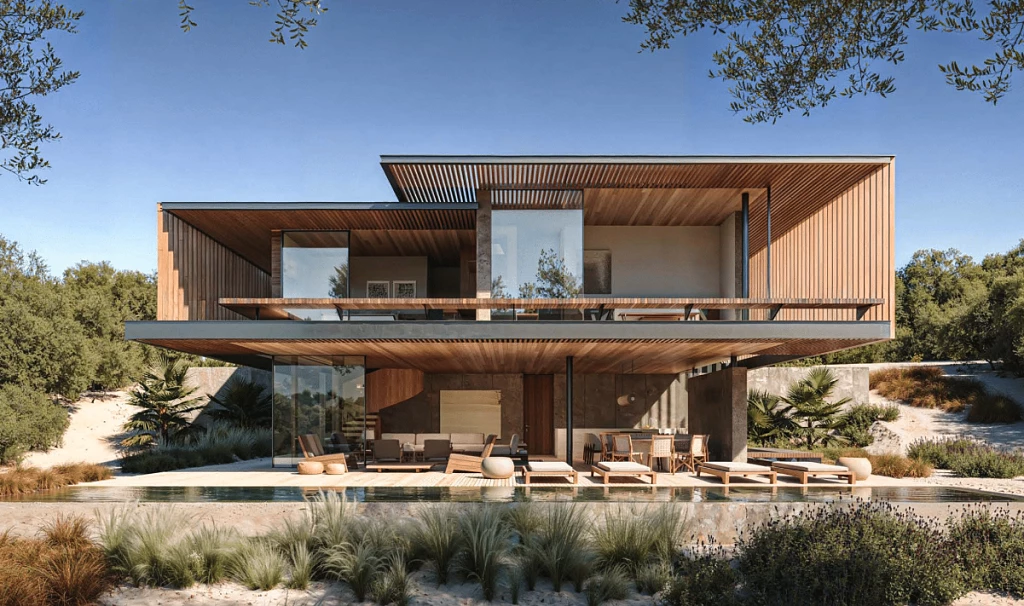
Pinheirinho Comporta, Comporta, Portugal
Det är inte en större version av det som fanns tidigare. Det är mer av samma lilla sak, vilket på den här marknaden är hela poängen. Algarve kan alltid växa. Comporta kan bara förbli liten, och det är just det – inte priset – som köparna betalar för.


