


In the 1830s, Cannes was still a modest fishing village of some 4,000 people when Henry Brougham, the former Lord Chancellor of Britain, discovered the town almost by chance. In the winter of 1834 he was travelling to Nice, then part of the Kingdom of Sardinia, when a cholera quarantine closed the border at the river Var and turned him back to Cannes. Captivated by its climate and setting, he began spending winters there and encouraged other members of British high society to follow.
Their arrival changed Cannes forever.
What followed is usually told as a story of glamour. It reads better as a story of reinvention: Cannes has lived through three distinct economies in under two centuries, and each time the season changed, the town changed with it.
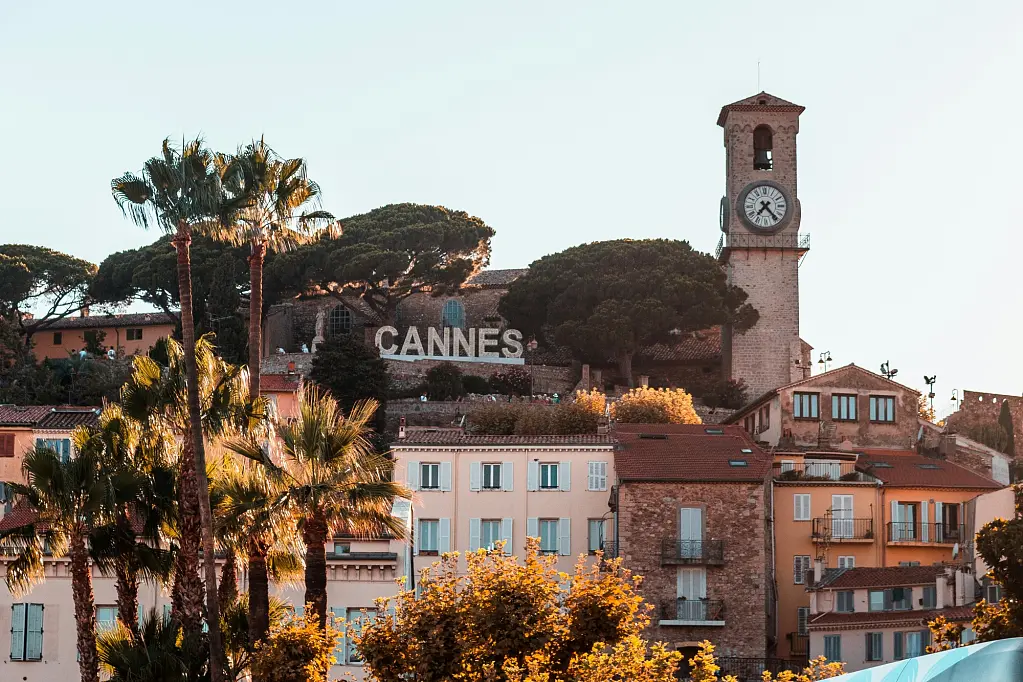
The village rapidly evolved into an elegant resort, with villas, hotels, gardens and new infrastructure appearing to accommodate its affluent visitors. The arrival of the railway in the 1860s provided another decisive catalyst, allowing Cannes to become increasingly accessible to travellers from across Europe. By 1914, the town had grown to approximately 30,000 inhabitants, with dozens of hotels and more than 1,000 villas.
Royal and aristocratic visitors further enhanced the town's prestige. British royalty, Russian aristocrats and prominent European families became regular winter residents, while yachting, social clubs, casinos and grand celebrations established Cannes as a hub for fashionable society.
What began partly as a destination for health and convalescence gradually became a place where visitors came simply to enjoy the climate, scenery and social life. By the end of the 19th century, the Riviera was no longer merely somewhere to escape the northern winter,: it had become somewhere to be seen.
The Belle Époque: when the Riviera found its identity
The first Cannes was a winter town. During the Belle Époque, Cannes flourished as a winter sanctuary for European royalty and aristocracy. The town became a seasonal capital where emperors, grand dukes, and industrial magnates escaped northern winters to socialise in the mild Mediterranean climate. The season on the Riviera ran, as one account from Menton has it, from the falling of the leaves to the flowering of the trees; every spring, the hotels closed
This period saw the dramatic transformation of the landscape, characterised by the construction of grand palace hotels, a casino, and eccentric villas built in eclectic architectural styles. The social calendar was defined by high-society regattas, flower parades, and salons, cementing Cannes' reputation as the winter address of European society well before it became synonymous with modern cinema.
The Twentieth Century: when Cannes discovered summer
The French Riviera's popularity continued to evolve throughout the 20th century. The second Cannes was decided at a meeting. On 2 August 1931, the owners of the Riviera's grand hotels met in Nice and agreed to stay open through the summer. Winter became the low season. The Martinez, opened in February 1929 at the height of the winter season, now had a summer to fill; the Carlton, completed in 1913 for the winter season, now filled with swimmers in July.
Cannes followed its own trajectory, with the creation of the Cannes Film Festival in 1946 helping establish the city as an international centre of cinema and celebrity. Jean Zay, France's minister of education and fine arts, had planned the first edition for 1 September 1939; it had been cancelled on 27 August, five days before Germany invaded Poland on the planned opening day. This iconic event permanently shifted Cannes into the global spotlight, anchoring its identity around film, fashion and the international press. The palace hotels already lining the Promenade de la Croisette, combined with the arrival of Mediterranean yachting culture, cemented its reputation with the international jet set.
Today: when every month became a season
The third Cannes barely has seasons at all. Today, Cannes stands as a global hub for business tourism and luxury lifestyle, blending historic glamour with modern economic power. While the city continues to draw in visitors from around the world to its pristine beaches, designer boutiques, and upscale superyacht marinas, it has transformed into a year-round convention powerhouse. Beyond the legendary Cannes Film Festival, the state-of-the-art Palais des Festivals et des Congrès hosts massive international industry events like Cannes Lions and MIPIM, driving a thriving business economy and ensuring that Cannes is one of the most resilient and recognisable destinations on the French Riviera. In 2025, the Palais hosted 168 events across 340 days of activity, which it values at €1.2 billion in economic impact for the area.
Through each of these reinventions, one thing stayed fixed: the ground itself. Cannes still occupies the same strip between the sea and the hills, and what stands on it has only grown scarcer. The Croisette lost its villas to hotels long ago; La Malmaison is the last Belle Époque villa left on the seafront, and the hills of La Californie and La Croix des Gardes hold what survives. Meanwhile, the population has grown two and a half times since 1911, to 74,040, and more than a third of the properties in Cannes are second residences. Demand has been reinvented three times; supply has not been reinvented once.
Brougham waited for a border to reopen. The owners who followed have only had to wait for the next season, and in Cannes, one has always come.


